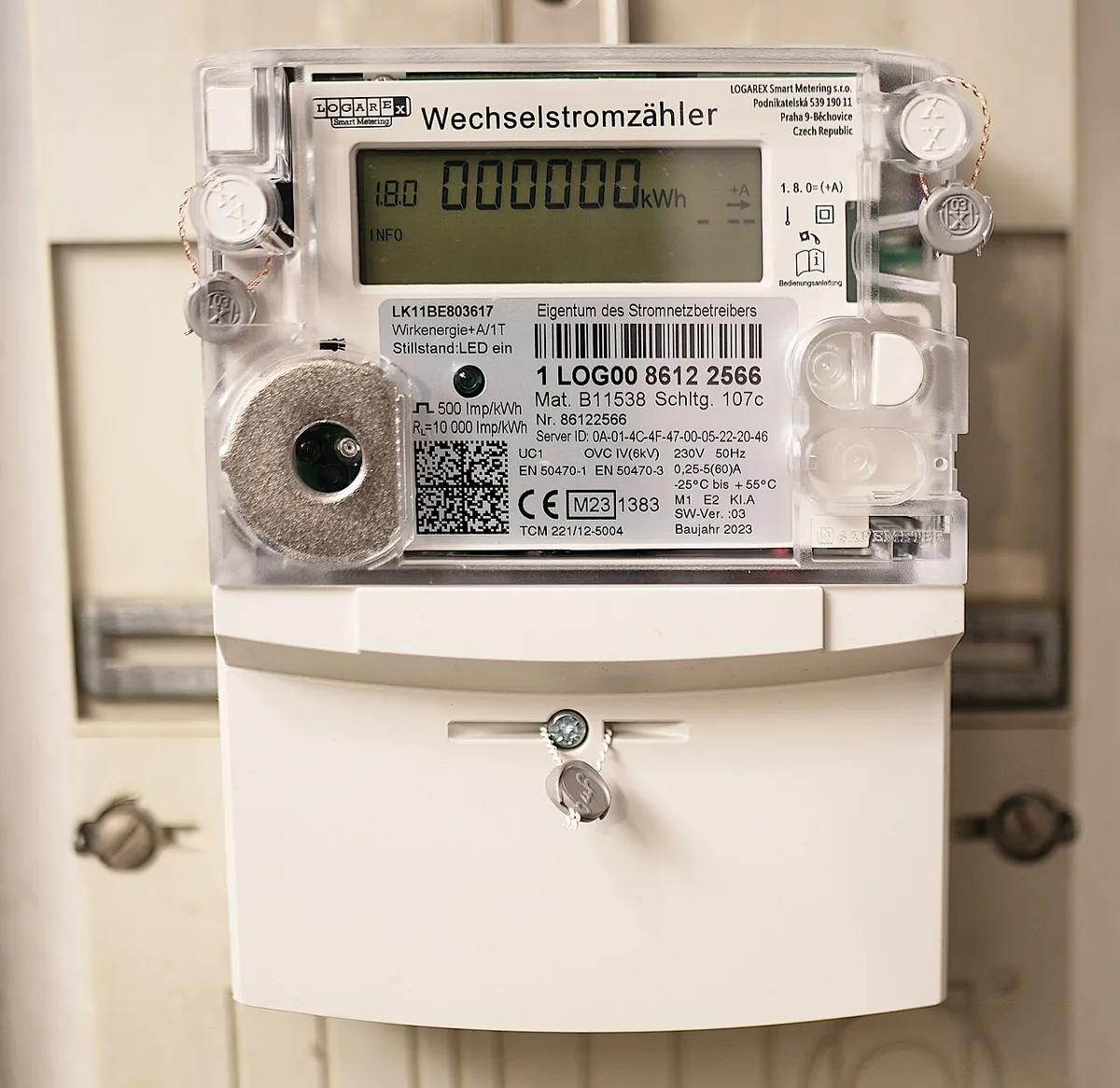
The UK energy price cap is one of the most talked about numbers in British household bills, and one of the most misunderstood. It is not a limit on your total bill, it is not a fixed price, and it is not a discount. It is a limit on how much your supplier can charge per unit of energy, and on the daily standing charge, if you are on a standard variable or default tariff.
What the UK energy price cap is
The UK energy price cap is set by Ofgem, the energy regulator for Great Britain. Ofgem reviews the cap every three months, so the level can change each quarter. The cap applies to standard variable and default tariffs, the tariffs many households fall onto when a fixed deal ends. If you are on a fixed tariff, your price is set by the terms of that deal, not by the cap, although the cap can still be a useful comparison point.
What the cap actually limits
The UK energy price cap limits two things. First, it limits the unit rate, the price you pay for each unit of energy you use, measured in kilowatt hours, usually written as kWh. If you use more units, you pay more, even though the rate per unit is capped. Second, it limits the standing charge, the fixed daily charge you pay to be connected to the energy network. Together, these two limits set the most a supplier can charge a household on a standard variable or default tariff.
What the cap does not do
The cap does not limit your total bill. This is the most common misunderstanding, and it matters most in winter, when heating use rises. If your use goes up, your bill goes up, even if the cap level has not changed. The cap does not freeze your price. Ofgem reviews it every three months, so the capped rate can rise or fall at each review. The cap does not make energy cheap. It is a maximum, not a low price. A fixed tariff can be cheaper than the cap, or more expensive, depending on the deal, the length of the fix, and the exit fee.
The 1,758 pound figure explained
The most recent verified cap figure in the research for this guide is for January to March 2026. Ofgem set the cap at 1,758 pounds per year for a typical dual fuel household paying by direct debit. Source: Ofgem, Summary of changes to energy price cap, 1 January to 31 March 2026: https://www.ofgem.gov.uk/sites/default/files/2025-11/Summary-of-changes-to-energy-price-cap-1-January-to-31-March-2026.pdf
Read that figure carefully. It is for a typical household, using both gas and electricity, paying by direct debit. It is not a bill for every household, and it is not a maximum total bill. Typical use is an average. If you live alone in a small flat, your use is likely to be lower. If you heat a large house, run a heat pump, or charge an electric vehicle at home, your use is likely to be higher. The 1,758 pound figure is for direct debit, and the figure is for January to March 2026 only, not for every quarter.
The January forecast: what it is, and what it is not
MoneySavingExpert warned on 10 November 2026 of a forecast January price cap rise of around 25 to 30 percent, and advised readers to compare fixing now with staying on the cap. Source: MoneySavingExpert, 10 November 2026 newsletter: https://www.moneysavingexpert.com/tips/2026/11/10/?anchor=savings
That 25 to 30 percent figure is a forecast, not a fact, and not an Ofgem announcement. A forecast is a prediction based on the information available at the time. It can change as wholesale prices and other costs change. Ofgem announces the next cap level itself, and until it does, no January figure is final. A forecast can still be useful, if you treat it as a warning to check your options, not as a price you will definitely pay.
Price cap or fixed tariff: a fair comparison
Many households ask the same question when the cap is about to change: should I stay on the cap, or fix now? There is no single answer for every home.
| Question to ask | Price cap, standard variable tariff | Fixed tariff |
|---|---|---|
| Does the price change? | Yes, Ofgem reviews the cap every three months | No, the rate is fixed for the length of the deal |
| What limits the price? | The cap limits the unit rate and the standing charge | The terms of the fix limit the price |
| Can you leave at any time? | Usually yes, with no exit fee, but check your terms | Often there is an exit fee if you leave early |
| Is your total bill capped? | No, your total bill follows how much you use | No, your total bill follows how much you use |
| Who may it suit? | Households that want flexibility, or may move soon | Households that want price certainty |
A fixed tariff is not automatically cheaper than the cap. The only way to know is to compare the unit rate and standing charge of the fix with the current cap rates, and to read the length of the fix and the exit fee. Do not fix only because a forecast says the cap may rise. A fix that is much higher than the current cap may still cost you more, even if the cap rises.
How to check if you are on the cap
You can check in a few minutes, using your bill or your online account. First, find your tariff name. It will usually say standard variable, default, or fixed. If it says standard variable or default, you are likely to be on the cap. Second, find your unit rates and standing charges. Your bill should show a unit rate for electricity, in pence per kilowatt hour, and a unit rate for gas, if you use gas. Compare those rates with the current cap rates published by Ofgem. Third, check your payment method and your use. Your bill will show how you pay, and how many kilowatt hours you used.
What to do before you switch or fix
Before you switch or fix, check three things in writing. First, check the exit fee on your current deal, if you are on a fix. Second, check the length of the new fix, and what happens when it ends. When a fix ends, you will usually move to a standard variable tariff, unless you choose a new fix. Third, check that the new deal is for your home, your use, and your payment method. Get the unit rate, the standing charge, the length of the fix, and the exit fee in writing, with the date, before you agree.
Frequently asked questions
What is the UK energy price cap?
The UK energy price cap is a limit set by Ofgem on the unit rate and the standing charge for standard variable and default tariffs in Great Britain. Ofgem reviews the cap every three months. It does not limit your total bill, because your total bill depends on how much energy you use.
How much is the price cap now?
The latest verified figure here is 1,758 pounds per year for a typical dual fuel household paying by direct debit, for January to March 2026.
Does the price cap mean my bill cannot go above 1,758 pounds?
No. The 1,758 pound figure is for a typical household with typical use. If you use more energy than typical, your bill will be higher, even if you are on the cap. If you use less, your bill will be lower.
Is the January rise of 25 to 30 percent certain?
No. That figure was a forecast from MoneySavingExpert on 10 November 2026, not a fact, and not an Ofgem announcement. A forecast can change as wholesale prices and other costs change. Wait for the Ofgem announcement for the final figure.
Should I fix my tariff or stay on the price cap?
There is no single answer for every home. Staying on the cap gives you flexibility, and the rate can fall as well as rise. Fixing gives you price certainty for the length of the fix, but it can have an exit fee, and the fix can be more expensive than the cap.
The bottom line
The UK energy price cap is a limit on the rate you pay, not a limit on your total bill. Ofgem reviews it every three months. For January to March 2026, the cap was 1,758 pounds per year for a typical dual fuel household paying by direct debit. A forecast of a January rise of around 25 to 30 percent, reported on 10 November 2026, is a forecast, not a fact.
Related: Boiler Upgrade Scheme: Stack Grant With a Loan?
Disclaimer: This article is general information for November 2026, not financial advice and not advice from a licensed installer or energy adviser. Prices and cap levels change every quarter. Check the official Ofgem announcement and your own supplier terms before you switch, fix, or sign.
Sources:
- Ofgem, Summary of changes to energy price cap, 1 January to 31 March 2026: https://www.ofgem.gov.uk/sites/default/files/2025-11/Summary-of-changes-to-energy-price-cap-1-January-to-31-March-2026.pdf
- MoneySavingExpert, 10 November 2026 newsletter, January price cap forecast: https://www.moneysavingexpert.com/tips/2026/11/10/?anchor=savings
- GOV.UK, Boiler Upgrade Scheme: approval to over allocate vouchers, November 2026, published 5 November 2026: https://www.gov.uk/government/publications/boiler-upgrade-scheme-approval-to-over-allocate-vouchers-november-2026