
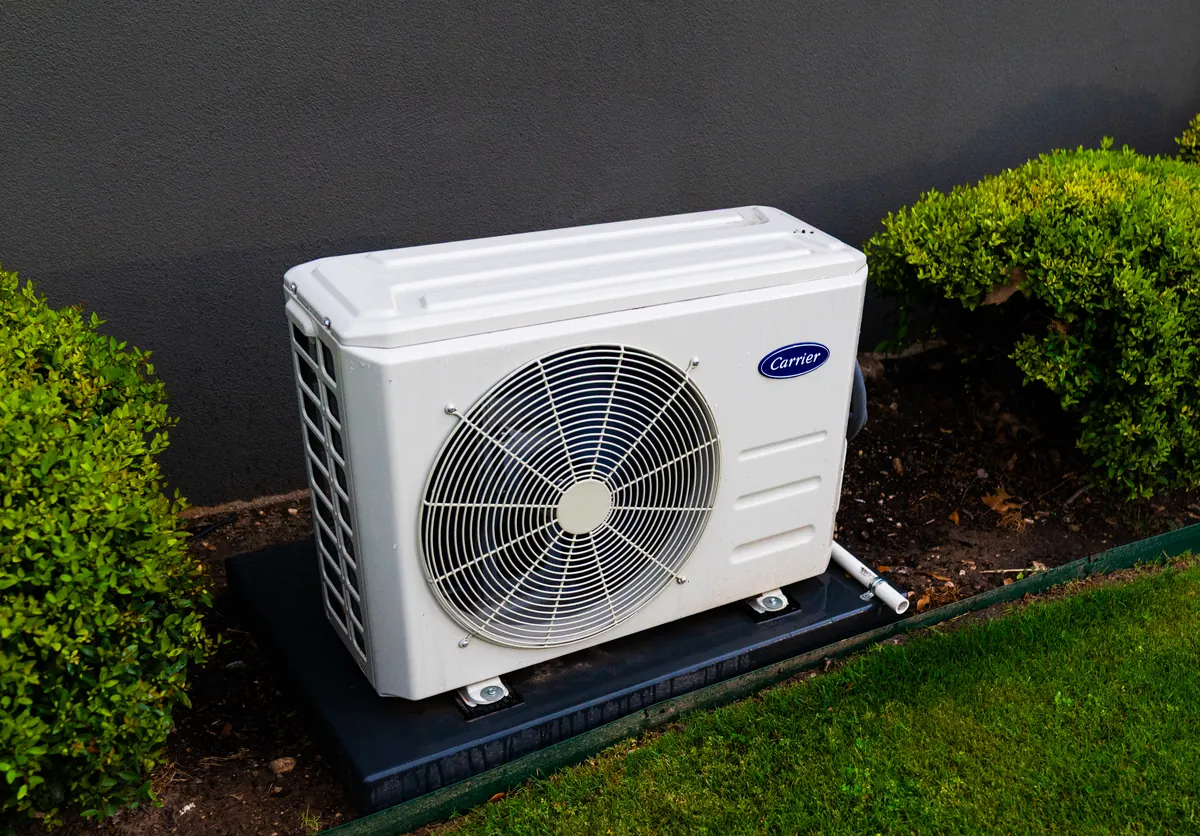
If you planned to use federal heat pump credits to help pay for a heat pump, that plan needs a fresh look. The main federal credits do not apply to work after Dec. 31, 2025. Help has not disappeared everywhere, but it is now local and uneven.
What Ended, and When
The change comes from the One Big Beautiful Bill Act, signed in July 2025. It ended several federal clean energy credits on fixed dates.
The 25C credit for energy efficient home improvements, which included heat pumps, and the 25D credit for residential clean energy, which included solar and batteries, do not apply to work after Dec. 31, 2025. That is the key date for a heat pump buyer.
Two other credits ended earlier. Clean vehicle credits ended for vehicles acquired after Sept. 30, 2025. The home EV charger credit, known as 30C, ended June 30, 2026.
Source: EESI, Where Key Clean Energy Tax Credits Stand, https://www.eesi.org/briefings/view/121225tax
Do not use an old article or sales pitch that still lists the federal credit as live in 2026. Ask for the current rule in writing, with a date, and check it against the official source.
Why This Matters Now: Bills Are High
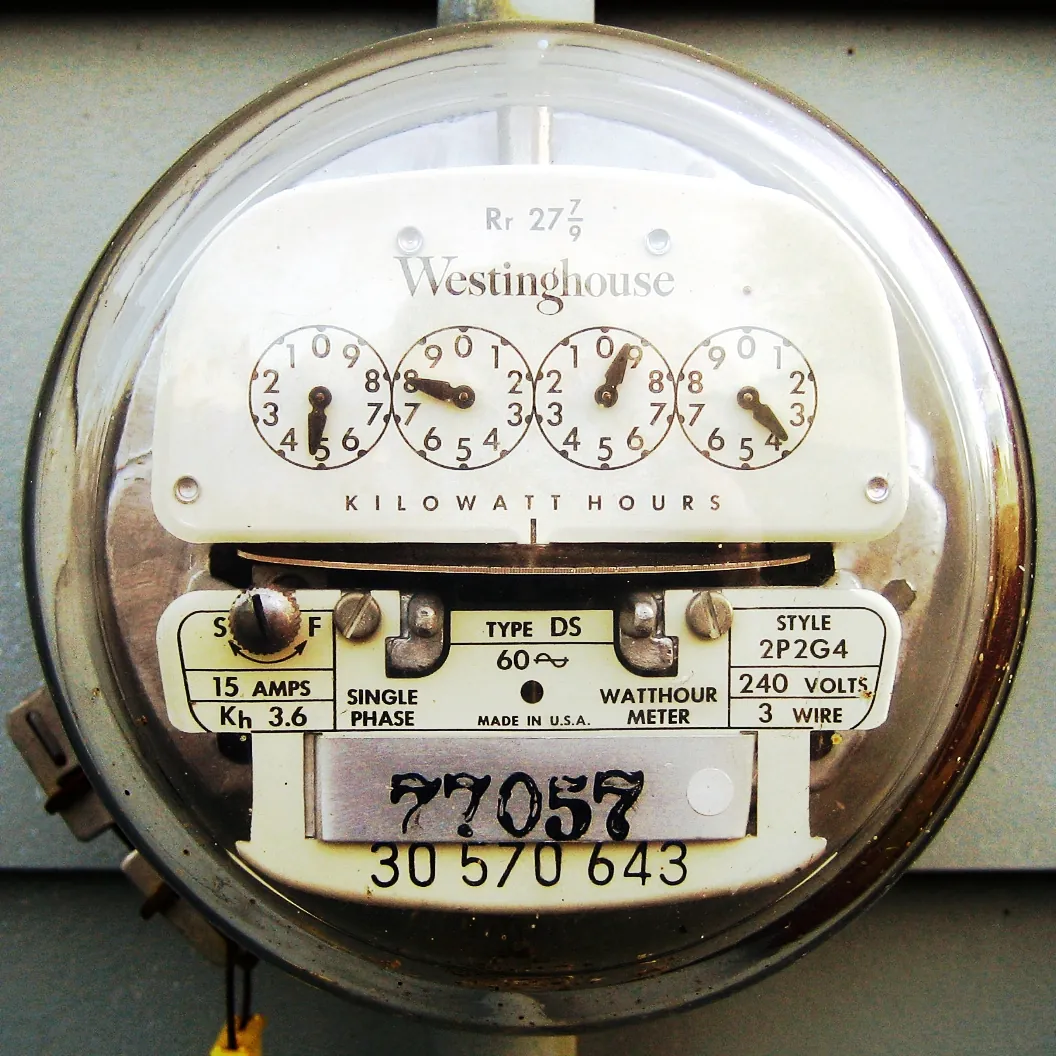
Residential electricity prices were the highest, after adjusting for inflation, since at least 2001. Between April 2025 and March 2026, the average residential price was about 18 cents per kWh.
Source: USAFacts, Household electricity affordability, https://media.usafacts.org/asset/26284998-5d4c-4b23-a1b9-68d63af940d9/Electricity_web.pdf
The Bank of America Institute reported on Sept. 16, 2026 that average utility payments rose 5 percent year over year from June to August 2026. In Detroit, Baltimore, and Washington, DC, the rise was over 10 percent in the same period. Those are reported figures for that period, not a forecast for your next bill.
Source: Bank of America Institute, Energy Bills, Sept. 16, 2026, https://institute.bankofamerica.com/content/dam/economic-insights/energy-bills.pdf
A heat pump can still be worth a careful look, because heating and cooling are a large part of many home bills. But make the case on your own numbers: your heating fuel, local electricity price, home size, insulation, and the help open in your state.
What Still Pays: State Rebates
What remains is state run. The federal Home Energy Rebates program, which includes HOMES and HEEHR, is funded federally but run by each state. HEEHR was formerly known as HEAR. Each state sets its own launch date, rules, and process.
A tracker checked on Oct. 12, 2026 found rebates open in 10 states plus Washington, DC, for at least one program. That count is dated Oct. 12, 2026, and it will change as states open, pause, or close programs.
The same tracker found California and Colorado had launched programs that were closed to new applicants on Oct. 12, 2026. It also found 35 states not launched or with no posted status on that date.
Source: AuditYourHome, US home energy rebates and programs in 2026, checked Oct. 12, 2026, https://audityourhome.com/programs/
HOMES and HEEHR in Plain English
HOMES covers whole home energy savings. HEEHR covers electrification and appliance rebates, including heat pumps in many state designs. Details are set by the state.
Do not assume a program covers your model, income, or home type until the state page says so. Some programs are income limited, require an approved contractor, or require pre approval before work starts.
| Your state status on Oct. 12, 2026 | What it means | What to do next |
|---|---|---|
| Rebate open in 10 states plus DC | At least one HOMES or HEEHR program was open | Check your state energy office for the name, eligibility, and deadline. Get the rule in writing. |
| Launched program closed, such as California and Colorado | The program launched, then closed to new applicants | Do not apply on an old link. Check for a waitlist, a reopening date, or a utility rebate. |
| Not launched, or no posted status, in 35 states | No state rebate was shown as launched on that date | Check your utility and state energy office again. A utility rebate may still exist. |
Check Your Utility Too
Many utilities run their own heat pump rebates, on a different calendar from the state program. A utility rebate may be open when the state program is closed.
Check your electric utility and, if you have one, your gas utility. Look for the eligible equipment, the amount and its date, and whether pre approval is needed. Save a dated note, because utility pages change.
If your income is low, check your state energy office and your utility low income page. Ask about a separate income qualified path, and whether you must apply before work starts.
How to Avoid a Costly Mistake
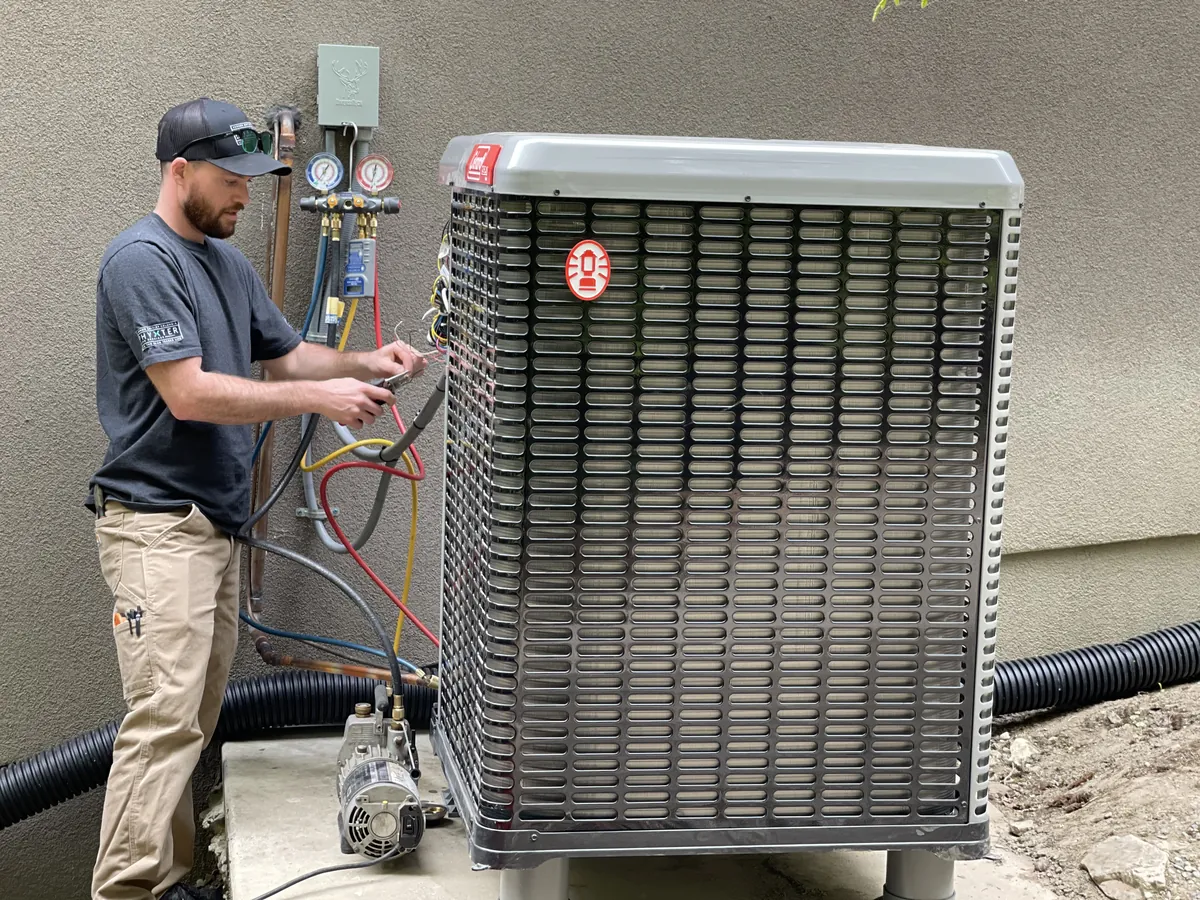
First, do not sign a contract that promises a federal credit for work after Dec. 31, 2025. Second, do not start work before you know whether pre approval is needed, because some rebates are lost if work starts early. Third, do not rely on a rebate amount from a different state, year, or income band. Ask for the amount for your home, income, and application date, in writing.
Fourth, get at least two or three quotes you can compare like for like. See our Energy Bill Wise guide to comparing heat pump quotes. Fifth, check the contractor, and check whether the program requires an approved installer list.
What to Do This Month
- Read your last two bills and note price per kWh, usage, and any time of use charge.
- Check your state energy office page for HOMES and HEEHR, with the page date and pre approval rule.
- Check your utility rebate page, with the amount, its date, and eligible equipment.
- If you may qualify for low income help, check that path before you get quotes.
- Get quotes from approved installers where required, with the expected rebate and its source in writing.
- Do not sign until you have the rebate rule, deadline, and pre approval step in writing, dated Nov. 2026.
Frequently Asked Questions
Are federal heat pump tax credits still available in Nov. 2026?
No, not for new work as many homeowners remember. The 25C and 25D credits do not apply to work after Dec. 31, 2025. This article is not tax advice.
Which states have heat pump rebates open right now?
A tracker checked on Oct. 12, 2026 found rebates open in 10 states plus Washington, DC, for at least one program. California and Colorado were closed to new applicants, and 35 states were not launched or had no posted status. Check your state energy office for the current status.
Can I still get help if my state has not launched a rebate?
You may still have options, but do not assume a state rebate is available. Check your utility for a heat pump rebate, and check for a separate low income path.
Should I wait for my state program to launch?
That depends on your system, bill, and timeline. If your system is failing, waiting may cost more in repairs. If your system works and your state page gives a dated launch plan, you may want to wait for that date. Do not wait based on a rumor.
Does the end of the EV charger credit affect a heat pump?
The EV charger credit, 30C, ended June 30, 2026, and clean vehicle credits ended for vehicles acquired after Sept. 30, 2025. Those dates do not change the heat pump dates.
The Bottom Line
In Nov. 2026, the federal credit story has ended, and the state story has taken its place. Ten states plus DC had at least one rebate open on Oct. 12, 2026, while California and Colorado were closed, and 35 states were not launched.
Check your state, check your utility, get the rule in writing, and only then sign.
Disclaimer: This article is general information for Nov. 2026, not tax advice or a guarantee of a rebate or saving. Rules change by state and utility. Check the official sources linked above before you apply or sign.